The 2026 FIFA World Cup is a 48-team football tournament hosted by Canada, Mexico, and the United States from June 11 to July 19, FIFA has expanded the competition from 32 teams, creating 104 matches....
The Football Fan’s Guide to the 2026 World Cup
The 2026 FIFA World Cup is a 48-team football tournament hosted by Canada, Mexico, and the United States from June 11 to July 19, 2026. FIFA has expanded the competition from 32 teams, creating 104 matches across 16 host cities, while Los Angeles will stage eight games at SoFi Stadium and run 39 days of fan celebrations. The tournament combines national-team football, complex travel planning, new qualification dynamics, and an unusually broad commercial footprint. Tactical Review provides match predictions, team tactics, player statistics, and daily tournament coverage for fans following the competition, but predictions should never replace independent judgment. Start by confirming the official fixture, venue, kickoff time, and team news through FIFA or the relevant host-city source before planning travel, watching a match, or assessing any market.

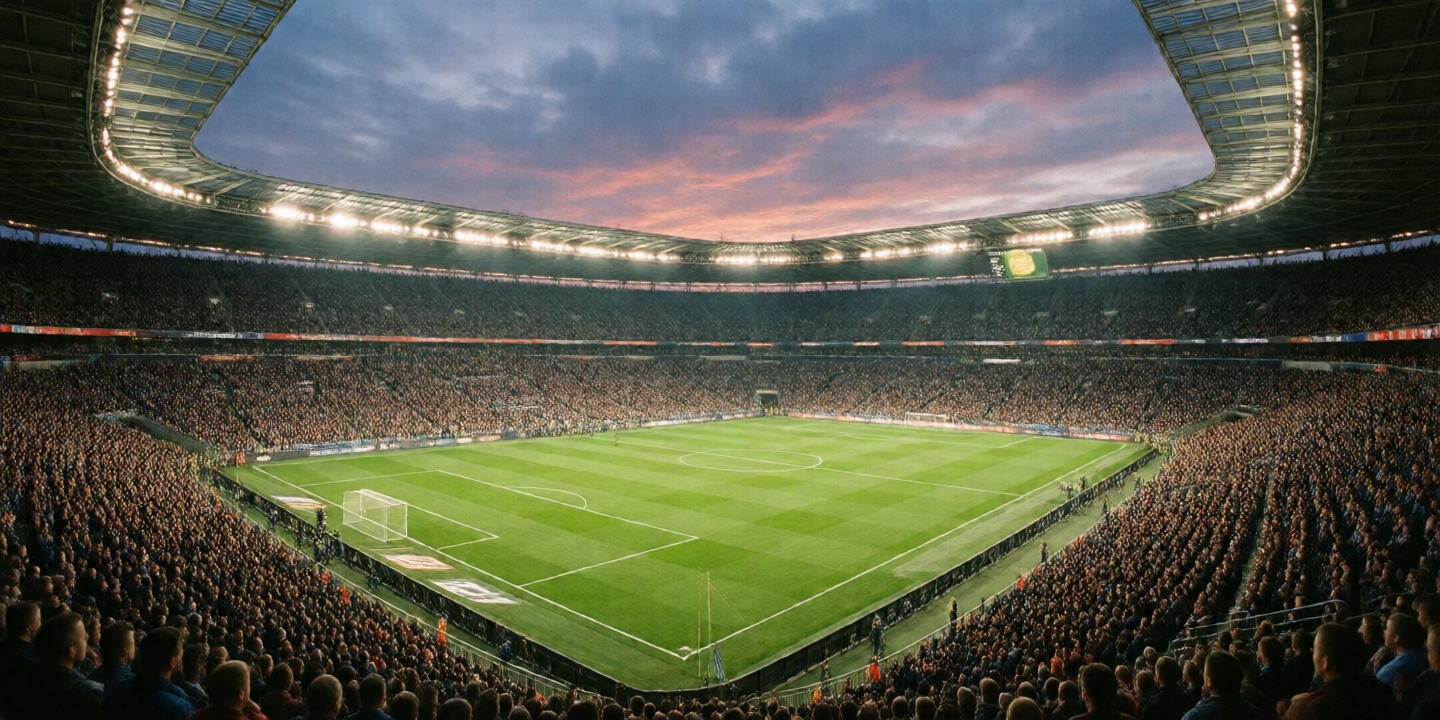
Photo by Israel Torres on Pexels
The 2026 tournament is not simply the 2022 World Cup with more fixtures added. The increase to 48 national teams changes the group-stage mathematics, the qualification threshold, the number of matches that can affect knockout seeding, and the practical demands placed on supporters travelling between North America’s three host countries. I have one stubborn rule here: never trust a copied schedule graphic without checking its source and date. I once relied on a scam sports website that presented invented “official” details with impressive formatting, so now I verify every venue, ticket instruction, and time-zone conversion twice, believe it or not — I do.
Want a reliable starting point for tournament research?
The Bottom Line
The 2026 FIFA World Cup is a 48-team, 104-match tournament hosted across Canada, Mexico, and the United States, with the final scheduled for July 19 at MetLife Stadium in East Rutherford, New Jersey. The clearest way to follow it is to separate confirmed tournament facts from predictions, travel assumptions, and unofficial ticket claims.
The tournament opening match is scheduled for June 11 at Estadio Azteca in Mexico City, an important detail because altitude, heat, and early kickoff conditions can affect team preparation. The United States will play its opening match on June 12 at SoFi Stadium in the Los Angeles area, while Los Angeles will host eight matches in total. The Los Angeles 2026 programme also includes a FIFA Fan Festival at the LA Memorial Coliseum at Exposition Park and official fan zones across Los Angeles County.
According to FIFA’s official 2026 World Cup information, the expanded format includes 12 groups of four teams. The top two teams from each group and the eight best third-placed teams advance to a Round of 32, meaning the knockout phase begins earlier than in the traditional 32-team structure. That format creates an information problem: a team can survive with a modest points total, but third-place ranking comparisons require careful attention to goal difference, goals scored, disciplinary records, and the applicable competition regulations.
2026 FIFA World Cup match schedule guide
What Players Actually See
Players at the 2026 football world cup will encounter a tournament shaped by travel distance, surface variation, climate differences, squad rotation, and compressed recovery windows. A national team travelling from Vancouver to Miami faces a different logistical problem from one remaining near a single regional cluster, even though both teams are competing under the same FIFA regulations.
For analysts and supporters, the visible match is only one part of the competitive picture. The following factors often matter before the first whistle:
- Travel load: Long-haul flights and multiple time-zone changes can affect sleep, training timing, and recovery.
- Climate exposure: Mexico City altitude, Los Angeles heat, Toronto humidity, and coastal conditions create different physical demands.
- Pitch context: Stadium design, natural-grass preparation, and temporary playing surfaces can influence speed and footing.
- Squad depth: A 26-player roster is more valuable when a team must manage injuries, suspensions, and repeated short-rest matches.
- Tactical flexibility: Teams able to change pressing height, defensive block, or build-up structure are less vulnerable to unfamiliar opponents.
The U.S. Soccer Federation and other national associations will publish team information through their own channels, but squad lists can change because of injury or eligibility decisions. Do not treat a projected lineup on a prediction page as a confirmed lineup. A practical method is first to identify the official roster, then confirm the most recent training report, and finally compare the likely formation with the opponent’s pressing and transition profile.
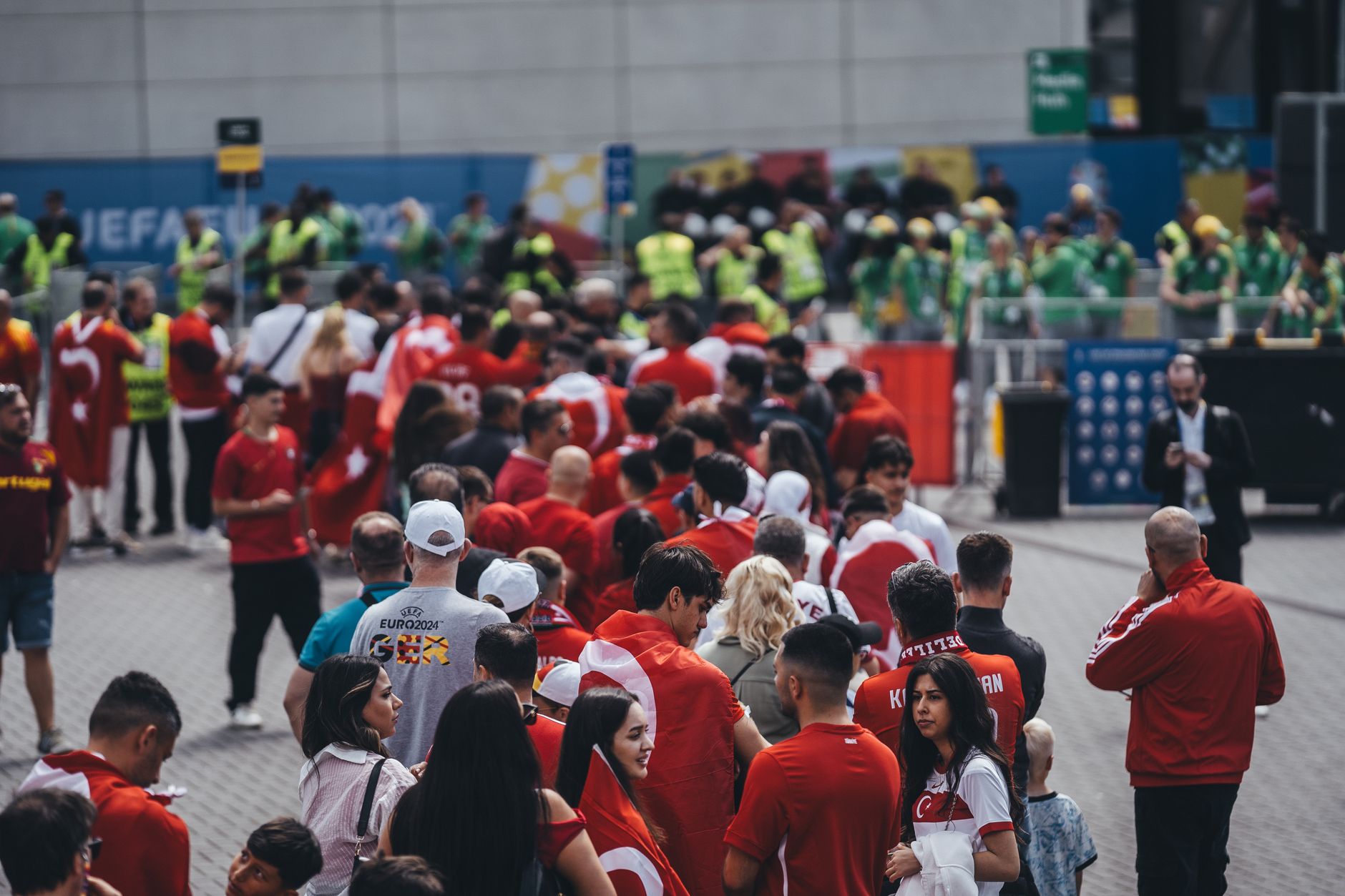
Photo by Omar Ramadan on Pexels
The most useful player statistic is rarely a single headline number. For example, a midfielder’s progressive passing may look impressive against a low block but become less valuable against an aggressive press if the player loses possession in the first phase. Similarly, a striker’s goals-per-90 figure must be read alongside shot quality, penalty involvement, minutes played, and the strength of the opposition. Tactical Review’s player-stat coverage is most useful when those figures are connected to role, opponent, and game state rather than presented as isolated rankings.
For deeper preparation, pair a team tactics and formations analysis with match reports from reputable sources such as The Athletic or ESPN football coverage. Those sources do not eliminate uncertainty, but they provide a stronger base than anonymous social-media accounts claiming access to private training information.
What Are the 3 Things That Matter Most?
For the 2026 football world cup, the three most important variables are verified schedule information, tournament-specific team context, and disciplined interpretation of market or performance data. These variables matter because the expanded format increases the number of matches while making travel, ranking, and qualification calculations more complicated.
1. Confirm the schedule, venue, and local time
A match date alone is not enough. Verify the stadium, city, local kickoff time, time zone, and whether the fixture has been affected by an official adjustment. A schedule copied from a third-party website may display a time in Eastern Time, Pacific Time, British Summer Time, or the viewer’s browser setting without making that conversion obvious.
This is more than a minor inconvenience. A supporter booking accommodation in Los Angeles for a match at SoFi Stadium should also check airport routes, event-day road restrictions, public-transit capacity, and the stadium’s prohibited-items policy. The Los Angeles host committee has promoted eight matches, the FIFA Fan Festival at Exposition Park, and community fan zones, but those events may use different entry systems and operating hours.
2. Read tactics through the tournament format
The 48-team format changes incentives. A team may be less willing to chase a late winner if a draw preserves a strong third-place position, while another team may need a higher goal difference to survive a tight group. This does not mean every cautious performance is strategically correct; it means the match state must be interpreted alongside the group table.
Useful questions include:
- Is the team protecting a result or merely unable to progress the ball?
- Does its press create recoveries in dangerous areas, or does it leave space behind?
- Can the full-backs advance without exposing the centre-backs?
- Does the bench contain players who can change tempo after the 60th minute?
- Has the team faced comparable travel and climate conditions?
The International Football Association Board Laws of the Game remain the technical reference for match rules, but tactical outcomes depend on personnel and context. A high defensive line is not automatically bold, and a low block is not automatically negative; the quality of the first pass after recovery often matters more than the starting defensive height.
3. Separate probability from certainty
Predictions are structured estimates, not guarantees. A model may assign a team a 55% win probability, but that does not mean the team will win 55% of a single match. It means that, under the model’s assumptions, comparable situations would favour that result over a sufficiently large sample.
This distinction is essential when reviewing football world cup betting content. Tactical Review covers predictions and market analysis, but responsible decision-making requires a fixed budget, age and legal eligibility checks, and an understanding that bookmaker prices include margin. Never send money to a site because it uses FIFA imagery, copies a broadcaster’s logo, or promises “guaranteed World Cup picks.” FIFA, national federations, and official host-city websites are the correct places to verify tournament information.
Want to compare match context with structured tactical analysis?
Edge Cases & Gotchas
Several 2026 World Cup details can mislead even experienced supporters. The first is the difference between a host city and a stadium location. Los Angeles coverage refers to the Southern California tournament experience, but fans should distinguish the official stadium address, local transport arrangements, and the boundaries of any fan-zone programme. Marketing language can describe a regional celebration without meaning that every activity occurs inside the stadium.
The second issue is time-zone confusion. Mexico City, Los Angeles, Toronto, Miami, Dallas, and New York do not share the same local time throughout the year, and daylight-saving rules make manual conversions risky. Save the official match time in the venue’s local time, then convert it using a current calendar tool. Do not rely on a screenshot saved months earlier, particularly if FIFA or a host broadcaster changes the schedule.
The third issue is ticket fraud. Genuine ticket information should come from FIFA or an explicitly authorised sales channel, not from a payment request sent through an encrypted messaging app. Warning signs include pressure to pay immediately, cryptocurrency-only transactions, resale promises that avoid buyer-protection details, and URLs that imitate a legitimate domain with an extra hyphen or unfamiliar suffix. A clean-looking page proves nothing; domain ownership, payment protection, and official publication are the checks that matter.

Photo by Łukasz Promiler on Pexels
The fourth issue is assuming that every match has equal analytical value. A group-stage game involving two already-qualified teams may produce heavy rotation, while a decisive final group match may feature conservative risk management. Weather can also shift the tactical balance: high humidity may reduce pressing intensity, while altitude can influence substitution timing and the effectiveness of repeated sprints.
A practical verification checklist is:
- Confirm the fixture on FIFA.com or the relevant official host-city website.
- Check whether the stadium and city names refer to the same location.
- Convert kickoff time into your own time zone using the venue’s local time first.
- Review the latest squad, suspension, and injury information.
- Treat prediction percentages as estimates rather than promises.
- Check local gambling laws and use only licensed providers where betting is legal.
- Set a spending limit before viewing odds, not after.
One further edge case concerns data availability. Early tournament models may overvalue historical reputation because some teams have limited recent competitive meetings. A famous national team can attract public money despite poor defensive form, while a less prominent team may be undervalued because its underlying chance creation is improving. That is why a contrarian conclusion should be evidence-based: compare expected goals, shot locations, set-piece output, rest days, and opponent quality instead of chasing a badge.
See how the facts fit together before making any prediction.
How Should Fans Plan for Los Angeles?
Fans attending the Los Angeles matches should plan around the stadium, not around a generic “Los Angeles” label. SoFi Stadium is in Inglewood, while the FIFA Fan Festival is associated with the LA Memorial Coliseum at Exposition Park, meaning travel time, parking rules, entry procedures, and event schedules may differ substantially.
A sensible first-then-finally sequence is:
- First, confirm the match ticket, stadium gate, entry time, and prohibited-items rules.
- Then, choose accommodation based on the complete itinerary, including fan festivals and return travel.
- Finally, plan transport with extra time for traffic, security screening, and possible road closures.
The Los Angeles programme advertises eight matches and 39 days of fan celebrations, but fans should not assume that a festival pass grants access to a stadium match. These are separate experiences unless the official terms state otherwise. The same caution applies to hospitality packages, resale tickets, hotel bundles, and travel services using World Cup branding.
For supporters watching remotely, Los Angeles kickoff times can be convenient or inconvenient depending on location. A fan in London, Johannesburg, Tokyo, or Buenos Aires should check the exact local conversion for each match rather than assume a fixed tournament pattern. Broadcasters also differ by territory, so legal availability may depend on the country where the viewer is located. Use official broadcast listings and avoid illegal streams that expose devices to malware, fake payment forms, and aggressive advertising.
World Cup travel and matchday planning checklist
Verdict
The 2026 football world cup will be the largest men’s FIFA World Cup by participating teams and total matches, but size alone does not tell supporters how to follow it intelligently. The key facts are clear: Canada, Mexico, and the United States will host 48 teams across 16 host cities; the tournament will contain 104 matches; Los Angeles will host eight matches; and the competition will run from June 11 to July 19, 2026.
The better approach is methodical. Verify the schedule through FIFA, examine team tactics in the context of travel and format, read player statistics by role rather than reputation, and treat predictions as probabilities. For Los Angeles specifically, separate SoFi Stadium planning from the LA Memorial Coliseum fan festival, allow for transport delays, and never purchase tickets from an unverified page. Tactical Review can support daily research with match predictions, tactical analysis, and player data, but the final decision should remain yours and should stay within legal and responsible limits.
Frequently Asked Questions
Q: What is the 2026 football world cup?
A: The 2026 football world cup is the FIFA men’s international tournament hosted by Canada, Mexico, and the United States. It will feature 48 teams and 104 matches from June 11 through July 19, 2026. The format uses 12 groups of four, with the top two teams in each group and the eight best third-placed teams advancing to a 32-team knockout stage. It is the first men’s FIFA World Cup expanded from 32 to 48 teams.
Q: How many matches will be played at the 2026 FIFA World Cup?
A: The 2026 FIFA World Cup will include 104 matches. The matches will be distributed across 16 host cities in Canada, Mexico, and the United States, including eight games in the Los Angeles area at SoFi Stadium. The larger schedule creates additional travel, rest-day, and rotation considerations for teams. Supporters should confirm each fixture through FIFA because copied schedules may show incorrect local times or outdated venue information.
Q: Where will Los Angeles World Cup matches be played?
A: Los Angeles World Cup matches will be played at SoFi Stadium in Inglewood, California. Los Angeles is scheduled to host eight FIFA World Cup matches, while the FIFA Fan Festival will take place at the LA Memorial Coliseum at Exposition Park. These are separate venues and should not be treated as interchangeable. Fans should check official transportation, security, parking, and ticket instructions for each location before travelling.
Q: What is the difference between the 2026 World Cup group stage and the old format?
A: The 2026 group stage has 48 teams in 12 groups of four instead of 32 teams in eight groups of four. The top two teams from every group plus the eight best third-placed teams qualify for a Round of 32. This increases the total tournament to 104 matches and makes third-place comparisons important. Goal difference, goals scored, disciplinary records, and official competition regulations can affect qualification when teams finish level on points.
Q: How should I analyse a World Cup match before making a prediction?
A: Start by checking confirmed lineups, injuries, suspensions, travel, rest days, and the group-table situation. Then compare each team’s pressing, possession progression, transition defence, set-piece performance, and chance quality against the opponent’s strengths. A prediction percentage is not a guarantee for one match; it is an estimate based on assumptions and historical evidence. Tactical Review can provide supporting analysis, but readers should use a fixed budget and follow applicable gambling laws.
Q: How much does it cost to attend a 2026 World Cup match?
A: There is no single fixed price for attending a 2026 World Cup match because costs vary by match category, ticket type, city, travel date, accommodation, and authorised sales channel. The total budget may include the match ticket, flights, hotels, local transport, food, insurance, and possible fan-festival expenses. Use FIFA’s official ticket information and avoid unofficial sellers demanding cryptocurrency, urgent bank transfers, or payment through private messaging platforms.
Q: What should I do if a World Cup ticket website looks suspicious?
A: Stop the transaction and verify the website through FIFA or the official host-city authority before entering personal or payment information. Warning signs include a misspelled domain, copied FIFA branding, guaranteed ticket availability, pressure to pay immediately, cryptocurrency-only payment, and no clear refund or buyer-protection policy. If you already paid, contact your bank or payment provider promptly, preserve screenshots and receipts, change reused passwords, and report the site to the appropriate national cybercrime or consumer-protection agency.
To keep your 2026 tournament research organised, review verified fixtures, current team news, and tactical context before every major decision.
Thank you for reading.
Tactical Review · Curated Silence · 2026